
If you are running a website, you should take Conversion Rate Optimization (CRO) more seriously. CRO qualifies potential leads as real customers. There’s no point in running a website if it is not converting website visitors into loyal customers.
Conversion Rate Optimization is one of the fastest and most effective techniques for turning your web traffic into long-term paying customers.
In this article, you will learn what CRO is and what it does for your business, including some strategies you can implement to convert website visitors into real customers.
What is Conversion Rate Optimization
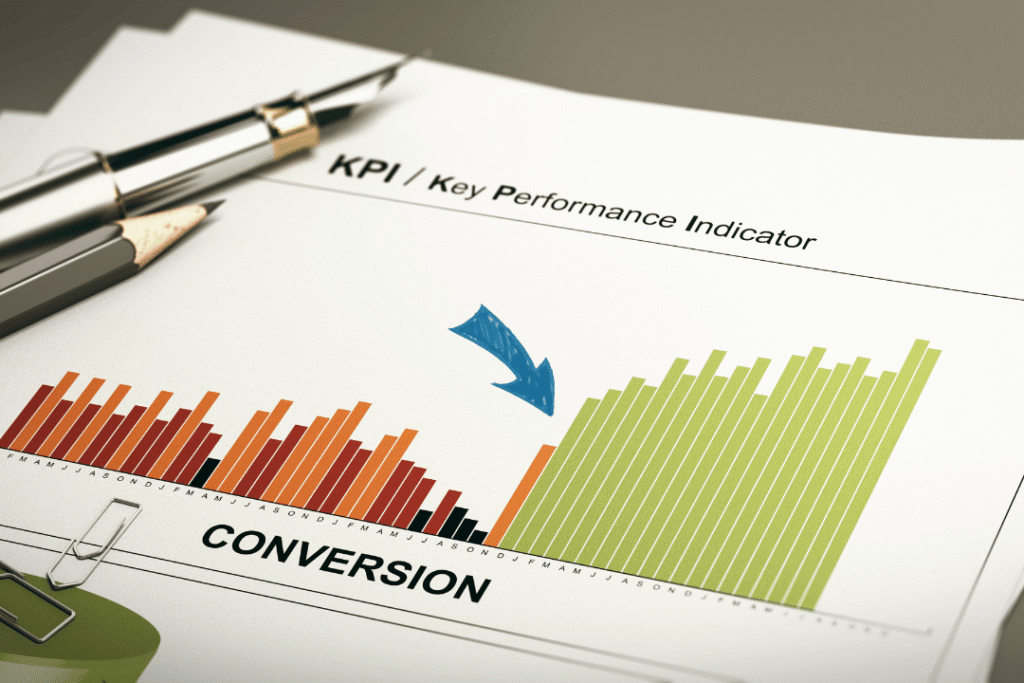
Conversion Rate Optimization (CRO) is the process of enhancing your website and your content to boost conversions. It is a strategy by business owners to increase the percentage of website visitors who truly convert. The conversion could be filling out a form, signing up for a service, or buying a product.
A well-designed website with appealing content is an important factor in increasing the conversion rate.
Conversion Rate Optimization goals are to reduce friction in the funnel and enhance the value of the offer. The conversion rate is calculated by dividing the number of conversions by the number of visitors and then multiplying the result by 100 to obtain the percentage.
You can see the formula as:
Conversion Rate = (Number of conversions / Number of visitors) x 100For example:
You had a total of 200,000 visitors last month. Of those visitors, you got 50,000 actual purchases. If you calculate it based on the formula, your conversion rate is 25%.
How Does Conversion Rate Optimization Work
Every time you can influence a site visitor, whether a new or existing lead, to complete an action on your website or landing page, you are increasing conversions, and that could mean your optimization process is effective.
Depending on how you optimize your site, conversions could happen all over your website, on your homepage, landing page, pricing page, or blog page.
As a business owner, you want to design your site in a way that converts every customer who visits into a long-term paying customer. Thus, you must optimize every page that gives you an opportunity for conversions.
Why Conversion Rate Optimization Is Important
Your website is just like a physical store, many people would visit, but if they don’t find what they need or if they find it so messy that they don’t know where to look for the product they need, they will eventually go out.
As a business owner, you want your website to attract all visitors and provide value to them. But if you don’t present your site in a way that would urge every visitor to complete an action, you are simply leaving money on the table. This is why it is important to optimize your site in every aspect.
With Conversion Rate Optimization, you are able to lower your customer acquisition cost by getting more value from both new leads and existing customers. By enhancing your conversion rate, you acquire more customers and grow your business.
Conversion Rate Optimization Best Practices
While there are numerous tactics you can employ to optimize your site, there are proven conversion rate optimization techniques that allow business owners to successfully lead prospects down the sales funnel.
Following these tips will surely help you come up with the right optimization strategies to convert more customers.
1. Establish conversion metrics
Your conversion rate optimization should always begin with your goals. You should first define your conversion goals so you are able to determine what specific conversion metrics you are going to use on your website.
If you are in an e-commerce business, your conversion will surely be the purchases the customers make.
2. Identify areas to optimize
Once you have determined your conversion metrics, it’s time to identify which part of your website you want to optimize. Which part of the funnel are you going to optimize for conversion?
Ideally, you would want to optimize the part of your site that receives the greatest amount of traffic. By focusing on these areas, you will be able to see results faster.
Here are the areas you can potentially optimize:
Homepage
Aside from your landing page, your homepage is basically what people usually see first. It is where site visitors make their first impressions. If they like the design of your homepage, they might stay longer and possibly scroll down to learn more about your site.
Pricing Page
Your website’s pricing page is definitely important in converting customers. By providing clear descriptions of the price ranges and inclusions on what they would get, you are already giving them the information they need, which could potentially urge them to hit the “buy” button.
Blog
A blog is proven to convert prospects into customers. By giving helpful information, you are positioning your business as an expert in your field. This allows you to convert readers into leads and leads into real customers.
You can include a text-based call-to-action (CTA) in your blog posts to invite readers to take an action, whether to input their email address for an ebook or to sign up for a membership.
Landing Page
Landing pages are meant to convert potential leads or site visitors into customers. They are ultimately designed to capture customers into taking action.
3. Optimize site speed
Your site’s loading page is crucial to user experience. Your site’s loading time can make or break your conversion rate optimization goals. The faster your website loads, the higher the chances that your site visitor stays and converts.
You can optimize your site speed by working with a good hosting provider and optimizing your graphical content.
4. Put a CTA
Your Call-To-Action (CTA) is what prompts your customers to take action. You can have your CTA through a button, a banner, or a text.
By putting CTA prompts everywhere on your website, you are leading prospects to the conversion funnel.
5. Run some A/B tests
While you can optimize your website directly with the steps above, some things just work differently with different customers. Your CTA button color or font style may not be as effective as you thought they are. Thus, it is important to run A/B tests that really work on your target audience.
6. Retarget site visitors
No matter how certain we are with our CRO techniques, there are just some site visitors who will not convert. Some are just not fully aware of your business, while some are just not ready to make a purchase. This is where retargeting comes in.
Retargeting allows you to reach those site visitors again, even after they leave your website. Know more about retargeting here and how it can benefit your business.
Bottomline
Conversion Rate Optimization is an effective strategy to get more customers and sales, not only from new customers but also from existing ones.
Simply follow the tips mentioned in this guide to be able to develop powerful techniques that truly convert and increase your business revenue.