

Did you know you can take advantage of device fingerprinting to track customers and serve personalized ads continuously?
Being able to reach potential customers at the right time on the right device is essential for modern marketers and advertisers. That is why they constantly look for ways to connect with their customers effectively.
When advertising moved from offline platforms to the online world, advertisers were presented with an opportunity they didn’t have before. Advertisers were given a chance to reach customers through personalized, targeted ads.
Individual ad targeting had become the standard for online advertising, a practice that heavily relied on web cookies. However, the effectiveness of web cookies has been challenged by customers demanding information privacy.
Over the years, online users have been deleting web cookies, limiting their use, and even employing ad blockers.
Marketing and advertising agencies track users via fingerprinting across the World Wide Web to make sure they are able to serve personalized ads.
What is Fingerprinting in Online Marketing
Just like fingerprint recognition of a person’s identity in a police lineup, fingerprinting in online marketing is also used to track a person’s information, but through the person’s device. It is called device fingerprinting.
Device fingerprinting, also known as browser, canvas, and machine fingerprinting, is a process of identifying a device based on its unique configuration.
Unlike web cookies that are stored on a user’s side, such as on the user’s device or browser, device fingerprints are stored on the server side, that is, in a database.
Tracking Back The History of Device Fingerprinting
Before the adoption of fingerprinting for online marketing, it was mainly used to prevent software piracy and credit card fraud.
Fingerprinting was first used to confirm that the object’s application was only for authorized computers. It was used by anti-fraud companies to identify devices that had engaged in fraudulent transactions.
Nowadays, fingerprinting is used to identify a person through their activity on different devices. It has become a powerful new tool for marketers and advertisers in reaching potential customers, aside from relying on web cookies to deliver targeted ads.
Device fingerprinting allows marketers and advertisers to track online behavior more effectively than other current digital marketing techniques. While cookies can be blocked or deleted, device fingerprints are difficult to delete after they have been collected.
A developer of device fingerprinting even claims that the technology is able to link the fingerprints of different devices used by the same individual.
Through collecting information about online users, device fingerprinting could help deliver targeted ads to users based on their activity on their computers, mobile phones, and other devices.
The Use of Fingerprinting in Online Marketing
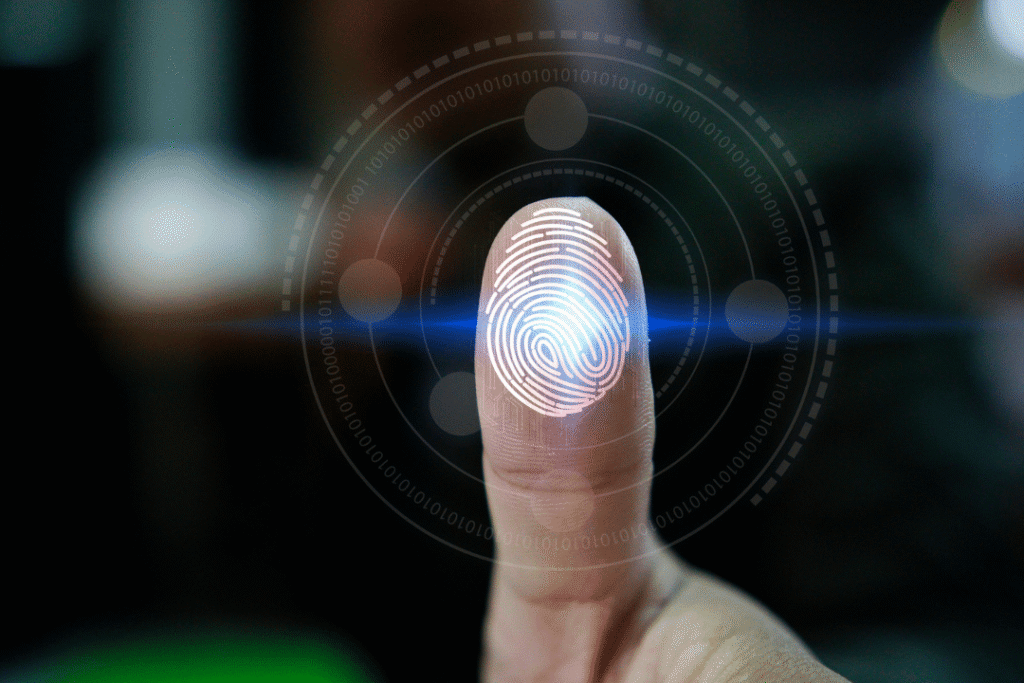
Device fingerprinting is a powerful technique used by marketers and advertisers, usually as a backup option in a marketing campaign.
Machine fingerprinting can be used when tracking a device ID is not feasible because the network does not support the relevant identifiers, and when running a campaign to track device IDs as a precaution for those who have deactivated the tracking identifier.
Analytics and Tracking
Aside from preventing credit card and bank fraud, device fingerprinting is undeniably one of the best technologies when it comes to analytics and tracking. It can accurately identify and report on unique visitors.
E-commerce Fraud
For marketers who are working for e-commerce businesses, device fingerprinting can be a useful tool in determining if an order is from a fraudster or not. This can help business owners to decide if they should cancel the order or not.
Why Use Device Fingerprinting
Although there are various methods for tracking ads using a device ID, they won’t be effective for mobile marketers looking to track their overall marketing efforts.
The fact that not all advertising networks can support the integration of advertising identifiers means that marketers and advertisers cannot determine precisely who the user is and whether the conversion was a result of an ad.
As people engage in various online activities, they are more likely to use multiple devices to accomplish their tasks. This poses challenges to brands in building a connection with prospects and customers.
Furthermore, with the ongoing demands for data privacy, people are deleting cookies and installing ad blockers on their browsers, which weakens the effectiveness of web cookies to drive ROI.
With device fingerprinting, marketers and advertisers are able to track users based on their devices’ unique configurations. Device fingerprinting is the best backup plan for tracking when web cookies can’t get the job done.
How Does Device Fingerprinting Really Work
Device fingerprinting is a method used by advertisers to identify people who interact with their ads. It works by using publicly available attributes of a device to create a “fingerprint” of the user.
The “fingerprint” can include the device type, user location, and other information relevant to advertisers. This type of information is always sent by internet-connected devices when they connect to a web page or a server.
Every time a digital device connects to the internet, it broadcasts information about its properties and settings, such as the web browser used, screen resolution, and internet speed, to be able to interact smoothly with websites and other computers.
Device fingerprinting technology uses the collected information to build a profile that can identify the devices and, most importantly, the person behind the devices.
Even though devices have the same brand or model, they differ in configuration, such as the set of plugins, the installed software, and the hardware. These characteristics make the devices unique from each other, which makes device fingerprinting a very effective tool in tracking to deliver ads to the right audiences.
Is Device Fingerprinting Legal Under GDPR
Obviously, device fingerprinting is very useful for delivering targeted ads. But it shouldn’t be seen as only beneficial to marketers and advertisers.
Device fingerprinting can definitely aid online users when it comes to credit card and bank fraud. It can help in digital rights management and fighting bank fraud.
Though device fingerprinting appears as a more powerful technology than web cookies and can pose a threat to information privacy, online users can feel at ease under the protection of the GDPR law.
Marketers and advertisers can also feel at ease using this technology, given that they would meet one of the 6 lawful bases of GDPR, such as legitimate interest or consent.
If a company wants to use device fingerprinting for advertising and marketing purposes, it’ll have to obtain explicit consent from the user to do so.
Bottomline
As technology advances, the digital media landscape is also becoming more complex.
For marketers and online advertisers, this means struggling to keep up with the flourishing range of consumer touchpoints created as consumers become more spontaneous with their browsing habits.
By employing fingerprinting in online marketing, business owners are able to fill the gap in their overall marketing efforts.